



Einstein once wrote that the definition of insanity is to do the same thing over and over while having an expectation of a different result. One such area of manufacturing where insanity seems to preside is in the process used to produce cartons that are poly-coated and/or cartons that require a window film; more specifically, the insanity of gluing poly-coated substrates. In both instances, whether it be a poly-coated board stock or a window film to board, the surface is considered poly and as such poly (or plastic surfaces, for ease of understanding) is not easily glued, and can, in fact, appear to be glued only to have bond failure sometime after the process is complete. Below are six key questions to consider when developing a strategy for improvement and to avoid the pitfall of insanity when it comes to the gluing of poly-coated stock or window film. This is not meant to be an exhaustive review, but instead a general overview of some critical steps in making a good first step towards gaining greater returns.
The term “dyne” often is used for poly surface substrates. What does “dyne” mean?
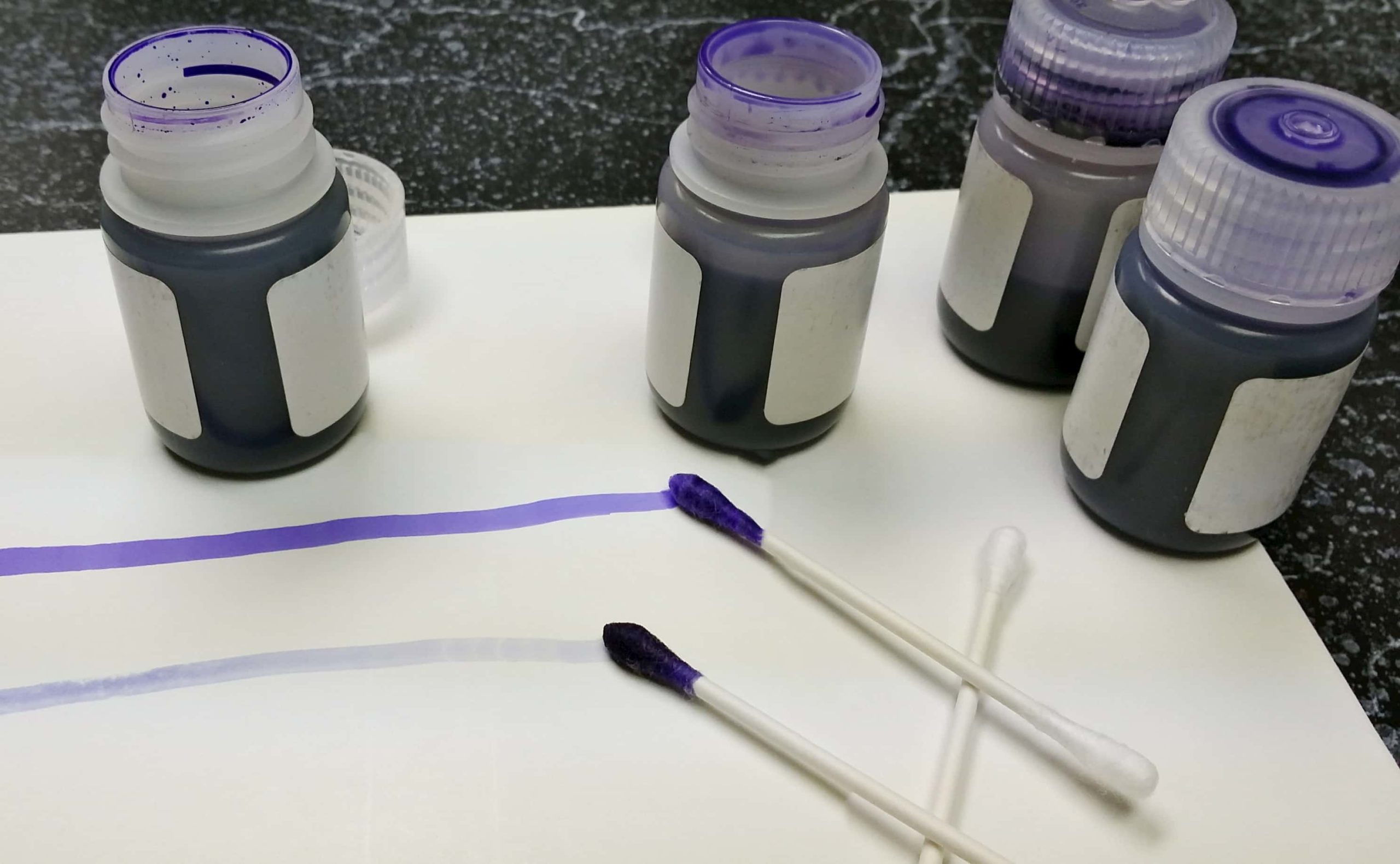
Dyne is not something you do when you eat, but it is something that will eat profit, eat time, eat productivity and minimize success if it is not properly managed. Dyne is simply a mathematical term used to measure surface tension. All surfaces have a “surface tension,” but for a poly-coated surface to respond well to gluing it is important that the surface tension or dyne level of a poly board or film be equal to or greater than 38 at the time of gluing, noting that the higher the dyne number the better the treatment. For incoming film or material that has poly-coating, the minimum dyne should be 44 as you will lose treatment during the normal use and processing of the material.


